

















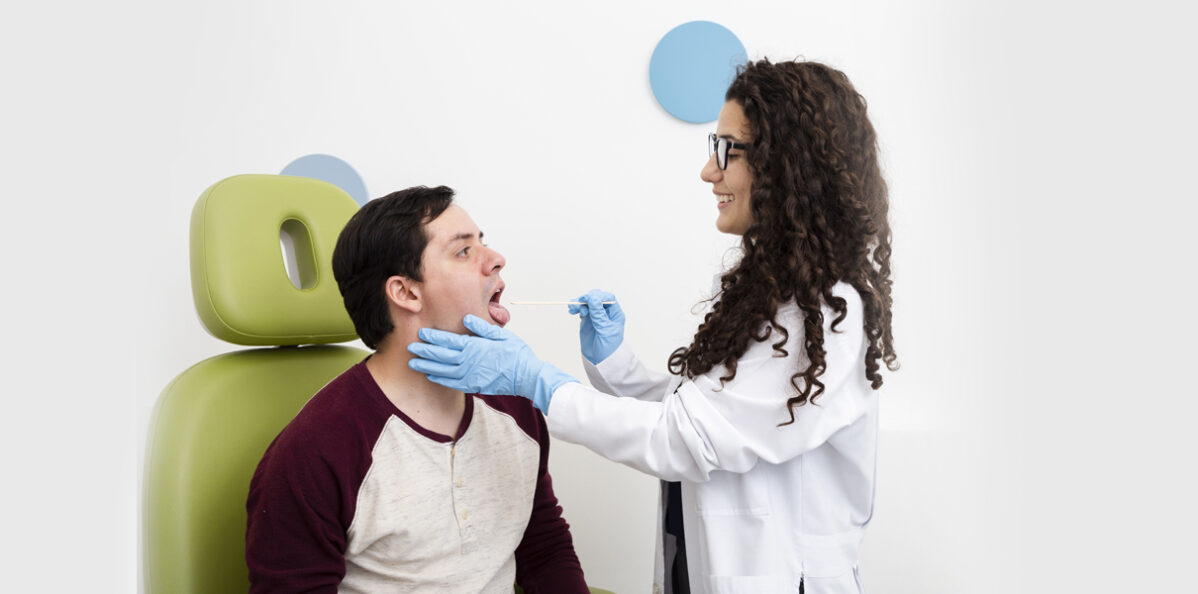
Salivary diagnostics could change how you approach routine checkups. By analyzing your saliva, doctors could identify health issues early. This method offers a painless and non-invasive alternative to traditional tests. Saliva holds vital clues about your body’s state. Your health could be tracked more easily and effectively through regular saliva tests. This includes everything from hormone levels to signs of disease. Salivary diagnostics can detect problems before symptoms appear. Imagine visiting your Downtown Phoenix dentist and learning about potential health issues just through a simple saliva sample. This could lead to better health outcomes and peace of mind. You would spend less time worrying and more time feeling secure about your health. Implementing salivary diagnostics in routine checkups promises a future where early detection becomes the norm. This approach empowers you to take control of your health confidently and with less stress.
Understanding Saliva’s Role
Saliva is more than just a fluid in your mouth. It contains a wealth of information about your health. From hormones to enzymes, each component of saliva serves as a marker for various conditions. This makes it a valuable tool in disease detection. Unlike blood tests, saliva collection is simple and pain-free. This ease encourages regular testing and monitoring.
Benefits Over Traditional Methods
- No needles or discomfort
- Quick and easy collection
- Potential for home testing
- Reduced need for lab visits
- Faster results
These benefits make salivary diagnostics appealing. Access to convenient, timely results can lead to earlier intervention and treatment. This could mean fewer complications and better management of chronic conditions.
Current Applications
Salivary diagnostics is already being used in some areas. For instance, research from the National Institute of Dental and Craniofacial Research highlights its use in detecting oral diseases and certain cancers. It can also monitor stress levels by measuring cortisol levels. As research progresses, the scope of salivary diagnostics continues to expand.
Potential for Broader Use
The potential uses for salivary diagnostics are vast. It could be employed to monitor metabolic diseases or even infections. Recognizing patterns in saliva could help predict the onset of illnesses. Routine checkups could become more comprehensive with minimal effort.
Comparing Saliva and Blood Tests
| Criteria | Saliva Test | Blood Test |
|---|---|---|
| Invasiveness | Non-invasive | Invasive |
| Ease of Collection | Simple | Complex |
| Time for Results | Quick | Variable |
| Cost | Lower | Higher |
| Use in Home Testing | Yes | No |
Challenges and Considerations
Despite its benefits, salivary diagnostics faces challenges. Ensuring accuracy and consistency is crucial. Further research is necessary to understand its full capabilities. Collaborations between researchers and healthcare providers could address these issues.
Your Role in the Transition
As a patient, staying informed about emerging health tools is vital. Discuss the possibility of salivary diagnostics with your healthcare provider. By doing this, you can become an active participant in your healthcare journey.
For more information on how saliva testing could impact healthcare, visit the Centers for Disease Control and Prevention. They offer insights into various diagnostic methods and their applications.
The Future of Health Monitoring
Salivary diagnostics represents a shift in healthcare. With its ease and potential, it could become a staple in routine checkups. Early detection means you’ll manage health issues before they escalate. Embrace the change and take control of your health with confidence.