


















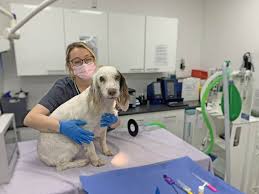
When your pet faces an emergency, the response at a veterinary hospital is crucial. Each step matters for your pet’s life. A veterinarian in Mason, MI, understands this urgency. They work swiftly, using a proven system to assess and stabilize pets. The focus is always clear: save lives and ease pain. On arrival, skilled staff perform a quick check-up. They identify the issue and prioritize treatment. Patterns of quick thinking and calm actions guide the process. Teams communicate clearly, ensuring no detail is missed. Hospitals prepare for emergencies with plans and drills. Familiar routines and teamwork lead to effective care. Every member, from the receptionist to the surgeon, knows their role. These hospitals combine compassion with experience. They create a safe space for pets needing immediate help. Your pet’s well-being is their priority, and you find comfort in their capable hands.
Initial Assessment
In emergencies, the first few minutes are critical. Veterinary hospitals begin by performing an initial assessment. Trained staff evaluate vital signs such as breathing, heart rate, and consciousness. This step is vital to determine the severity of the condition. Quick assessments help decide the next actions, ensuring your pet receives the right level of care.
Stabilization Techniques
After assessment, stabilization begins. Common techniques include administering oxygen, stopping bleeding, and controlling pain. Hospitals are equipped for these immediate needs. By stabilizing your pet, hospitals create a safer environment for further treatment.
Prioritization of Care
In multi-pet emergencies, prioritization of care is essential. Veterinarians use a triage system similar to human hospitals. This system helps manage resources effectively, focusing on pets in critical condition first. Clear communication ensures the team is on the same page, with constant updates on the pet’s status.
| Condition | Priority | Action |
|---|---|---|
| Breathing Difficulty | High | Administer Oxygen |
| Severe Bleeding | High | Stop Bleeding |
| Minor Cuts | Low | Clean and Bandage |
Advanced Diagnostics
For complex situations, hospitals have advanced diagnostics like X-rays and ultrasounds. These tools provide detailed insights into internal issues. They guide treatment plans and surgical decisions, ensuring every step is informed and accurate. This focus on detail and precision is essential in emergencies.
Role of Communication
Communication is key in emergency situations. Staff maintain open lines with pet owners, explaining procedures and outcomes. This transparency builds trust. Hospitals also communicate internally to ensure efficient operations. Each team member knows their responsibilities, which reduces errors and enhances care quality.
Preparing for Emergencies
Preparation is a cornerstone of handling emergencies. Veterinary hospitals conduct regular training sessions and simulations. These practices keep staff ready for any situation, ensuring they perform at their best. Hospitals review and update emergency protocols regularly, adapting to new knowledge and techniques.
Post-Emergency Care
After stabilizing your pet, hospitals focus on recovery. They provide post-emergency care to ensure a smooth transition home. This care includes monitoring, medication management, and follow-up appointments. Routine care is more effective after treatment. For more on post-care best practices, visit the American Veterinary Medical Association.
Emotional Support
Pets are family. During emergencies, emotional support is vital. Hospitals provide reassurance to worried pet owners. Compassionate staff offer guidance and empathy. This support helps families navigate challenging times with confidence and hope.
Conclusion
Veterinary hospitals play a critical role in pet emergencies. Through assessment, stabilization, prioritization, and communication, they ensure the best outcomes for your pet. Preparation and post-care further enhance their effectiveness. When emergencies arise, trust their expertise and dedication. They stand ready, prioritizing your pet’s life and well-being.