












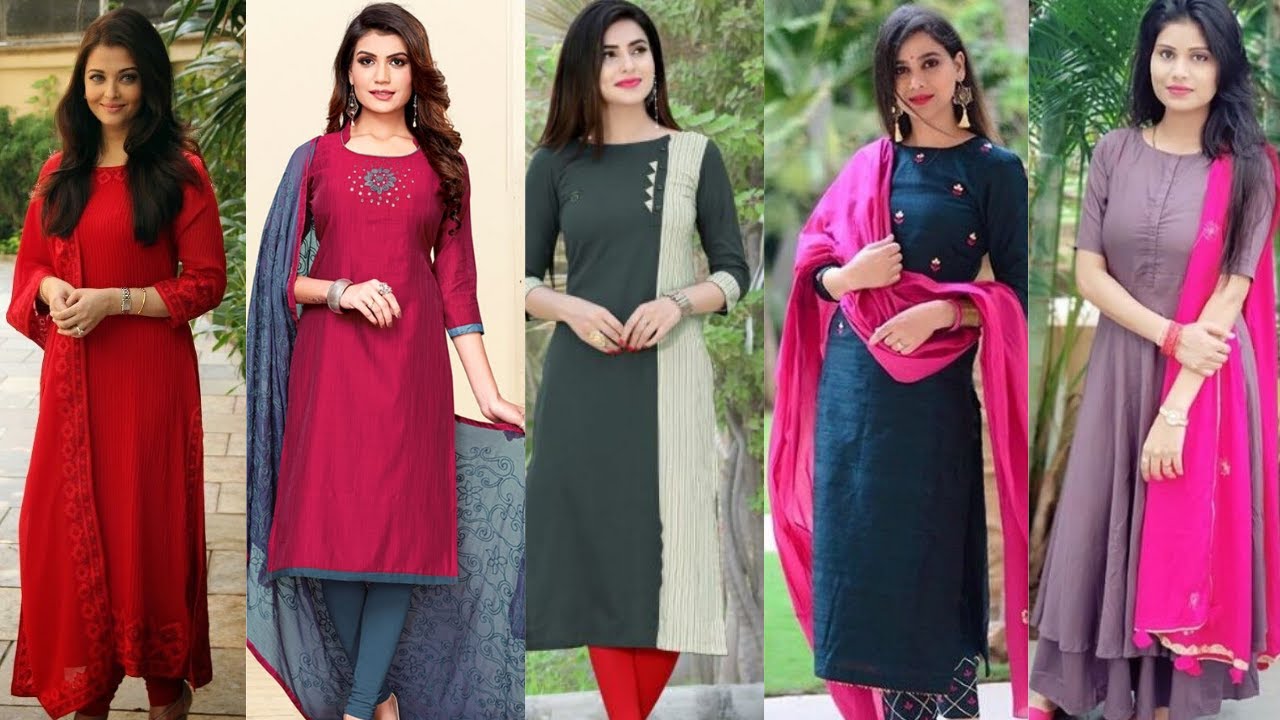










A jar of face cream, a cotton shirt and a bottle of hair oil may seem to belong to separate corners of everyday life. Yet many of the materials behind beauty and fashion begin on farms. Understanding that connection can help shoppers make more informed choices—and help brands explain what “natural,” “organic” or “responsibly sourced” really means.
From plant-based skincare ingredients to cotton and linen, agriculture influences what products are made from, how they are produced and what they cost. The details are often more complicated than a label suggests, so it helps to look beyond attractive packaging and familiar claims.
Beauty ingredients often start in the field
Many popular personal-care ingredients have agricultural origins. Oils from seeds and nuts, botanical extracts, fruit acids and waxes can all be used in cosmetics and haircare. Their properties depend on factors such as the plant variety, climate, harvest timing and processing method. An ingredient’s natural origin alone does not tell you how it was cultivated or whether it is suitable for every skin type.
For example, an oil can help reduce moisture loss, but a person with sensitive or acne-prone skin may respond differently to it than someone with dry skin. A botanical extract may have a useful role in a formula, but its presence does not make a product automatically gentler. Reading the full ingredient list and testing a new product carefully is more practical than relying on broad claims.
Packaging terms can also blur important distinctions. “Plant-based” describes an ingredient’s origin, while “organic” generally relates to how certain crops are grown under a defined standard. Neither term by itself guarantees that a finished product is environmentally preferable, effective or non-irritating. Clear information about sourcing and formulation is more useful than a vague promise.
Fashion depends on agricultural materials, too
Cotton is one of the most familiar farm-derived materials in clothing. Linen comes from flax, while materials such as hemp can also be used to make fabric. The environmental footprint of each textile depends on more than its crop: growing conditions, water use, dyes, finishing processes, transport and garment lifespan all matter.
That makes simple comparisons difficult. A natural-fibre item is not automatically the better choice if it is poorly made and quickly discarded. Likewise, recycled or synthetic materials have trade-offs of their own. Shoppers can make a useful start by choosing garments they expect to wear often, checking care instructions and looking for specific information about materials rather than relying on broad sustainability language.
Care habits affect a garment’s life as well. Washing at the recommended temperature, repairing a loose seam and storing seasonal clothing properly can help keep pieces in use for longer. A longer-lasting wardrobe may be more meaningful than buying a new item simply because it carries an appealing material claim.
Why better sourcing information matters
When beauty and fashion businesses discuss agricultural inputs, accuracy matters. A brand that uses a botanical oil or a particular cotton type should be prepared to explain what it knows about its supply chain—and what it cannot confirm. Specific details about origin, processing and standards help readers assess a claim. General language such as “clean” or “earth-friendly” often leaves them with little to evaluate.
Useful explanations can also come from the people who understand farming and production directly. If a company is preparing educational material about crop choices, plant-based ingredients or textile fibres, publishing in a relevant agricultural setting can bring that information to an audience with related knowledge. A resource listing agriculture guest posting sites can help writers identify publications that accept articles on farming and agribusiness, rather than sending the same pitch to unrelated outlets.
The strongest contribution is not a disguised product pitch. It might explain how a crop is harvested, how processing changes an ingredient, or what questions consumers can ask about a fibre. Readers benefit when an article answers a real question and distinguishes verified facts from marketing language.
Using digital tools without losing the human detail
Research and writing can take time, particularly when a small team is checking product information, planning articles and coordinating with specialists. AI tools for marketers can help with early tasks such as organizing notes, outlining a draft or identifying questions that need further research. They should not be treated as a substitute for checking sources, confirming technical claims or understanding how a product is made.
Freelancers can support that work, from writing and editing to design and campaign planning. Osdire’s discussion of AI tools for freelancers considers how tools and structured hiring can fit into modern freelance projects. Clear briefs, agreed deliverables and a review process are useful whether a business hires a specialist or handles the work in-house.
Make informed choices, not perfect ones
There is no single label that settles every question about a beauty product or clothing item. Instead, look for concrete information: what an ingredient or fibre is, where it comes from when that is known, and how the finished product should be used or cared for. For businesses, the same principle applies to communication. Explain what can be supported, avoid overstating benefits and make room for the complexity behind agricultural supply chains.
Seeing the farm-to-product connection adds context to everyday choices. It can make a skincare label easier to interpret, a clothing purchase more considered and a brand’s sustainability claims easier to judge.