



















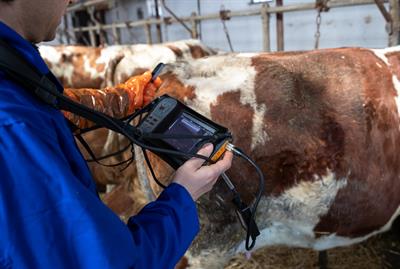
At Maple Valley Veterinary, pet care reaches new heights with diagnostic ultrasounds. This tool offers a clearer picture of your pet’s health. Ultrasounds in general veterinary exams help find hidden issues quickly. This can lead to faster treatment and better outcomes. Vets can see inside your pet’s abdomen or chest without causing stress or discomfort. This method is gentle and painless. You stay informed as the vet explains what the ultrasound shows. Knowing what’s happening inside your pet gives peace of mind. This technology aids in diagnosing conditions like tumors or organ problems early. Early detection means you can address health concerns before they worsen. Trust in the power of technology combined with expert care from a compassionate team. With ultrasounds, your pet gets the best possible care while you get clear, honest information. Prioritize your pet’s health with confidence and see the benefits unfold.
Understanding Ultrasound Technology
Ultrasound technology works by sending sound waves into the body. These waves bounce back, creating images of your pet’s internal organs. The vet reviews these images to check for any health concerns. Unlike X-rays, ultrasounds do not use radiation, making them safe for frequent use. The process is non-invasive, allowing your pet to remain comfortable and relaxed.
Benefits of Ultrasound in Veterinary Exams
There are several benefits to using ultrasounds in veterinary exams:
- Early Detection: Identifying issues early can lead to more effective treatment.
- Non-Invasive: Ultrasounds do not require surgery or sedation.
- Safety: No radiation exposure means safer repeated use.
Common Applications
Ultrasounds are versatile and used for various diagnostic purposes:
- Abdominal Scans: Check organs like the liver, kidneys, and spleen.
- Cardiac Scans: Assess heart health and function.
- Pregnancy Checks: Monitor fetal development safely.
Comparison Table: Ultrasound vs. Other Imaging Techniques
| Technique | Radiation | Invasiveness | Typical Use |
|---|---|---|---|
| Ultrasound | No | Non-Invasive | Soft Tissues |
| X-Ray | Yes | Non-Invasive | Bones |
| MRI | No | Non-Invasive | Soft Tissues |
Preparing for an Ultrasound Exam
Preparing your pet for an ultrasound is simple. Typically, fasting for a few hours before the exam is recommended. This helps improve image quality by reducing stomach content. Your vet will guide you on any specific steps based on your pet’s needs.
What to Expect During the Exam
During the ultrasound, your pet may lie on a padded table. The vet applies a small amount of gel to the area being examined. This gel helps sound waves travel efficiently. The vet moves a small probe over the skin to capture images. You can be present, providing comfort and reassurance to your pet.
Interpreting Ultrasound Results
After the exam, the vet explains the findings. They may show you the images and point out any concerns. With this information, you can make informed decisions about your pet’s care. The goal is to ensure you understand the situation and explore treatment options together.
Resources and Further Reading
For more information on veterinary ultrasounds, visit American Veterinary Medical Association or check out resources from Washington State University College of Veterinary Medicine. These sources provide guidance on best practices and recent advancements.
Embrace the advantages of ultrasound technology to support your pet’s health journey. With professional care and advanced tools, you can address health issues with confidence and compassion.