

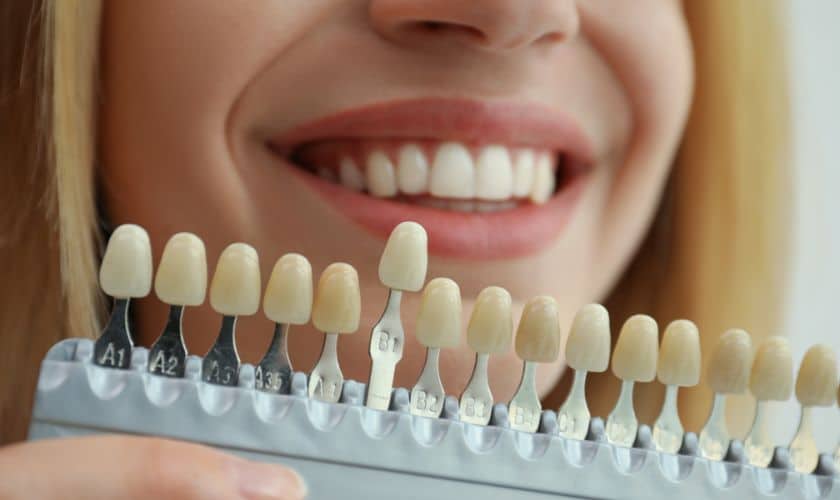

















Caring for your smile involves more than just the initial cosmetic dental work. You need to engage in preventive care to protect your investment. This care keeps your teeth looking and feeling their best. You can prevent damage, avoid decay, and ensure lasting results. A Baton Rouge general dentist can help guide you through this process. By focusing on regular cleanings and check-ups, you maintain the integrity of your dental work. Also, adopting good habits like proper brushing and flossing strengthens your teeth. Eating a balanced diet supports oral health, too. These steps help you avoid costly repairs and preserve your beautiful smile. Your dentist will check for potential issues before they become problems. This strategy ensures your cosmetic work continues to look great. Taking these proactive measures will bring peace of mind and a lasting, confident smile.
Why Preventive Care Matters
Preventive care plays a crucial role in maintaining your cosmetic dental work. It helps avoid the need for further interventions. Regular dental visits allow you to catch potential issues early. You save time, money, and discomfort by addressing these concerns promptly.
Neglecting preventive care can lead to structural damage, discoloration, and other issues. For example, veneers and crowns require regular maintenance to ensure they remain in top condition. Routine care helps keep these restorations looking natural and aligned with your original teeth.
Steps To Protect Your Cosmetic Work
Following a consistent oral hygiene routine is the foundation of preventive care. Here’s a simple guide to protect your cosmetic dental work:
- Brush twice daily with a soft-bristled toothbrush.
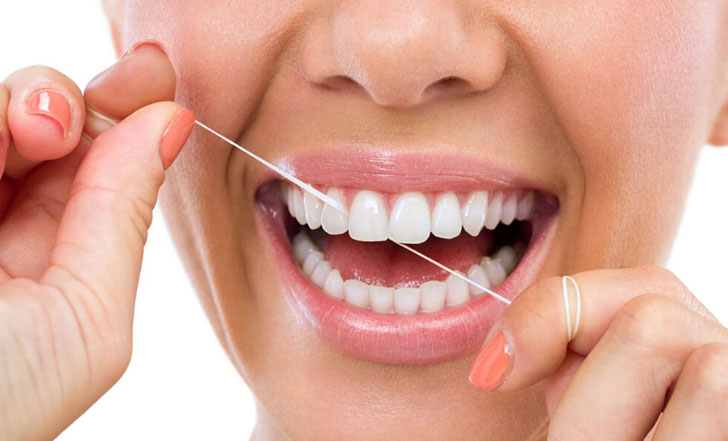
- Floss regularly to remove plaque between teeth.
- Use a mouthwash recommended by your dentist.
- Attend regular dental check-ups and cleanings.
- Avoid hard foods and habits like nail biting or ice chewing.
Comparing Preventive Care vs. Reactive Care
| Aspect | Preventive Care | Reactive Care |
|---|---|---|
| Cost | Lower overall cost due to fewer procedures needed | Higher cost due to emergency treatments and repairs |
| Time | Less time spent in the dental office | More frequent visits needed for fixes |
| Comfort | Comfort maintained with routine care | Possible discomfort during emergency procedures |
| Longevity | Prolongs the life of cosmetic work | Risk of shorter lifespan for dental restorations |
Regular Check-Ups: A Crucial Element
Regular check-ups are key in preventive dental care. Your dentist will examine your cosmetic work and identify any issues. These visits also provide an opportunity for professional cleanings that remove plaque and tartar build-up.
During your visit, you can discuss any concerns with your dentist. They can recommend specific strategies to maintain your oral health.
Diet and Lifestyle Influence
Your diet impacts your cosmetic dental work as well. Consuming sugar-rich foods increases the risk of decay. Choose fruits, vegetables, and lean proteins for a healthy smile. Stay hydrated by drinking plenty of water, which helps wash away food particles.
Lifestyle habits like smoking or excessive alcohol consumption can stain teeth. These habits might compromise the look of your cosmetic work. Reducing or eliminating these habits will benefit your oral health.
Partnering With Your Dentist
Building a strong partnership with your dentist is essential. They offer personalized advice tailored to your needs. This collaboration supports the longevity of your cosmetic work.
Through education and guidance, your dentist empowers you to take charge of your oral health. By following their recommendations, you ensure the best possible outcome for your smile.
Conclusion
Preventive care is a necessary component in preserving your cosmetic dental work. By adopting a proactive approach, you enjoy a stunning smile for years. Remember, your investment in preventive care pays off significantly.
Stay committed to regular dental visits, good oral hygiene, and healthy choices. Your efforts will protect your smile and boost your confidence. For more insights, the American Dental Association offers resources to help you.